







Search Results for: Naples Flip Pot
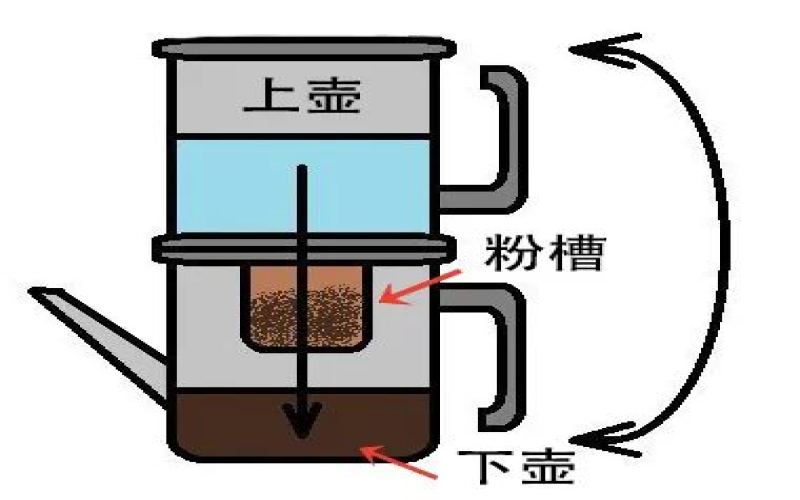
Naples Flip Pot Brewing Guide: Practical Parameters and Key Operating Points for the Neapolitan Coffee Maker
At first glance, the Flip Pot looks similar in structure to a Moka pot, also consisting of three parts: the upper chamber, the filter basket, and the lower chamber. However, the extraction logic behind the two is actually completely different—the Flip Pot is a purely filter-type device, not a pressure-type one. This article, compiled by Front Street Coffee, guides you through how to use this classic Neapolitan pot, including brewing parameters, operating steps, and how to bring the results closer to the ideal flavor. If you are already familiar with the Moka pot, you might want to try the Flip Pot as an alternative approach. [more…]
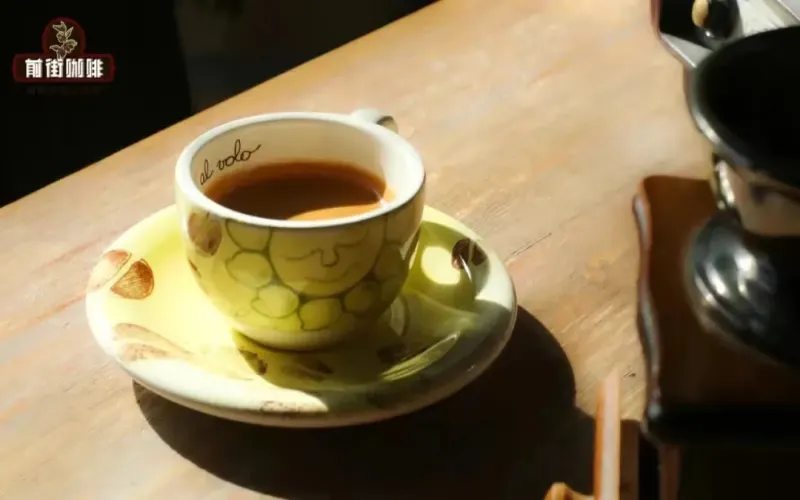
What makes Naples coffee unique? How is coffee cream made? Did the espresso machine originate in Italy?
In Italy, the birthplace of espresso, not everyone can directly accept the intense bitterness of espresso, so people often add cream, lemon, or a little milk to balance the flavor. Among them, Neapolitans use a special coffee cream to dilute the impact of espresso, and this drink is called "Neapolitan coffee." This article will take you to understand why Naples is hailed as the city of coffee, its connection with espresso machines, and how this special dairy-free coffee cream is actually made. Front Street Coffee will also recommend related product information for you. [more…]
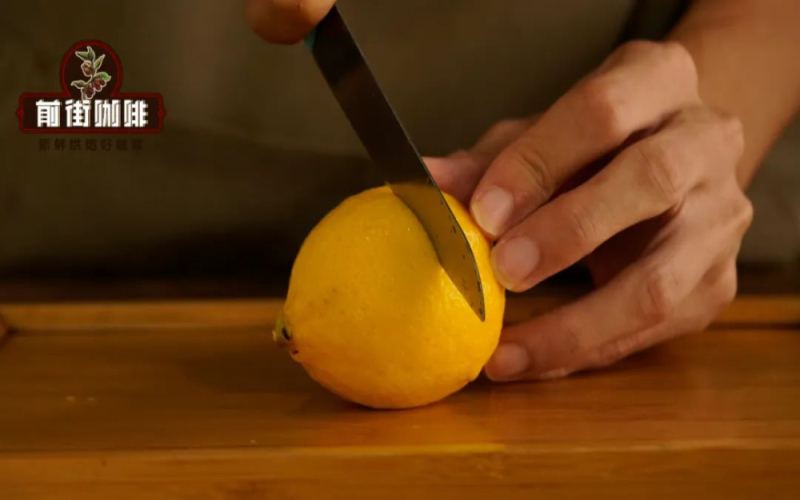
What Is Roman Espresso? A Full Guide to the Lemon and Espresso Pairing
Espresso can be enjoyed in countless ways: add water and it becomes an Americano, add milk and it becomes a latte, add ice cream and it becomes an affogato. And when espresso meets lemon, a drink called "Espresso Romano" is born. This coffee has a long history in southern Italy, where locals use the bright acidity of lemon to counterbalance the burnt bitterness of dark-roasted espresso, making the coffee easier to drink. This article walks you through the origins and background of Espresso Romano, the traditional method of making it, and Front Street Coffee's two attempts at recreating it, exploring how to find the balance point of flavor between lemon and coffee. [more…]
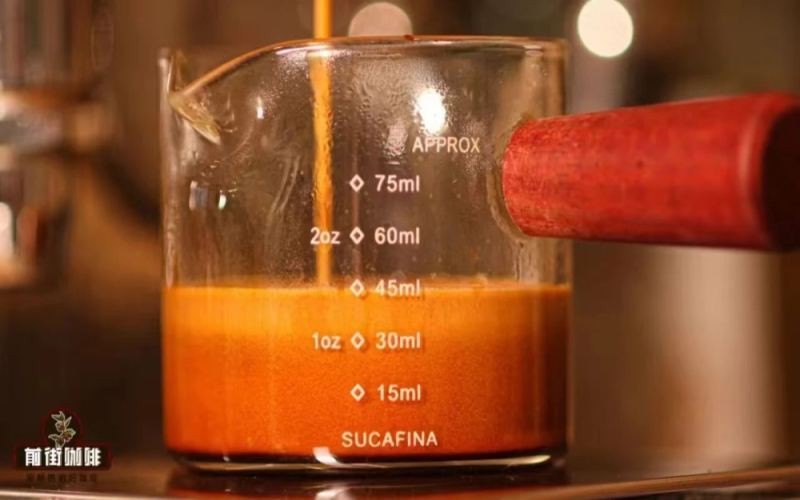
When Lemon Meets Espresso: The Origins of Espresso Romano and a Hands-On Test of Two Home Recipes
Espresso with lemon—a combination that may sound unfamiliar, yet it has actually been circulating in southern Italy for over half a century, where locals call it caffè canarino or caffè al limone, written in English as Espresso Romano. Its origins are closely tied to the historical context of post-World War II Italy, when coffee beans were scarce and dark-roasted beans were bitterly charred and hard to swallow, while the lemon-rich southern regions happened to provide a natural ingredient to temper the bitterness. In addition to tracing this history, this article will also put two beans—Sunflower Warm Sun Blend and Brazil Queen's Estate—to the test, using espresso and moka pot methods respectively to brew this drink, recording how sweetness, acidity, and bitterness contend when lemon meets coffee, and exploring the embellishing role of lemon juice in contemporary coffee creation. [more…]
A Detailed Guide to the World's Top Ten Classic Coffee Recipes: Flavor Characteristics and Brewing Methods from Mocha to Turkish Coffee
The world of coffee is rich and diverse, and every classic coffee carries the culinary culture and brewing wisdom of a different region. This article selects ten of the most popular classic coffees from around the world, including New York-style mocha, the mint mocha coffee beloved by Americans, the Italian classic cappuccino, tropical coconut cream coffee, Viennese-style blended coffee, dawn coffee that must be drunk in the morning in Naples, Russian-style hot mocha jaba, Indian warming coffee, Turkish coffee full of fortune-telling fun, and refreshing layered American iced cream cube coffee. Each coffee comes with detailed preparation methods, covering everything from ingredient ratios to decorative details. Whether you are a beginner just getting into pour-over or a seasoned enthusiast devoted to espresso, you can find the cup that suits you here. Front Street Coffee will also recommend classic products worth trying. [more…]
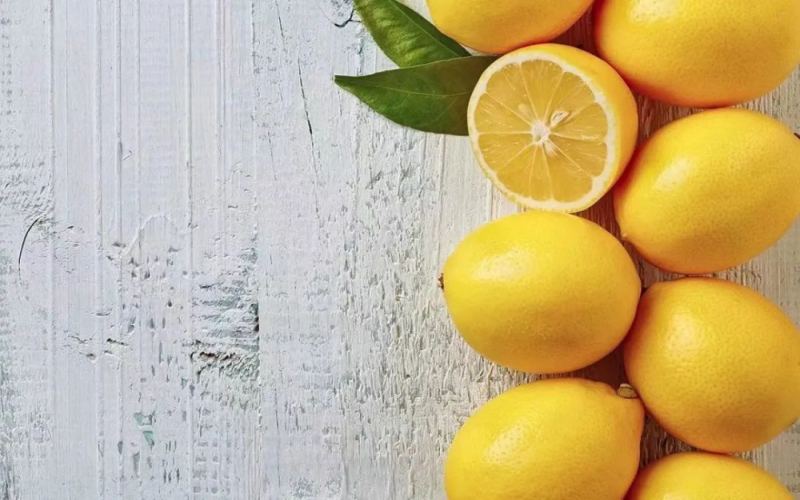
Lemon Meets Espresso: The Origin and Flavor Profile of Espresso Romano
When the sharp acidity of lemon meets the intense bitterness of espresso, what kind of taste reaction will it trigger? In Italy, this pairing is not a whimsical idea, but a way of drinking with deep historical roots—Espresso Romano, or Roman espresso. This article will trace the historical background of this beverage's birth, analyze how it became a product of the ingenuity of the people of southern Italy amid war and economic hardship, and, with the help of Front Street Coffee's hands-on testing, explore the flavor direction of coffee beans of different roast levels after being combined with lemon juice, offering a reference for coffee lovers who want to recreate this bold classic. [more…]

Is Turkish coffee fortune-telling really accurate? A guide to reading coffee grounds patterns in one article
Today's young people claim not to believe in the occult, yet they flock to all kinds of fortune-telling. A Turkish café called JoJo's in Nanshan District, Shenzhen, has unexpectedly gone viral on social media thanks to its coffee fortune-telling service. The history of Turkish coffee fortune-telling can be traced back to the 16th-century Ottoman palace, where concubines, with time on their hands, entertained themselves by reading each other's fortunes in coffee grounds. Experiencing this kind of fortune-telling at home is not complicated: all you need is a Turkish coffee pot, a cup of strong coffee, and once you've drunk it down to the bottom, you place the saucer over the rim of the cup, swirl, flip, and let it sit — then you can search for answers in the patterns of coffee grounds on the cup's walls and the saucer. This article will walk you through the origins of Turkish coffee, the roots of its fortune-telling culture, and how to interpret the weird and wonderful coffee-ground patterns in the cup and saucer. [more…]
A Comprehensive Analysis of Ethiopian Natural G1 Huakui Coffee: A Brewing Guide from Pour-Over to Espresso SOE
Hawaii Coffee, with its distinct floral and fruity aroma and full juice-like body, enjoys great popularity in the specialty coffee circle. This naturally processed G1 bean from the Hambela region of Ethiopia is not only suitable for pour-over, cold brew, and other brewing methods, but can also be used for espresso SOE and moka pot extraction. Front Street Coffee has launched two Hawaii products for different methods, corresponding to two profiles—medium-light roast and medium roast—to meet diverse brewing needs. This article will walk you through the origin of the name Hawaii, its flavor characteristics, and provide a detailed breakdown of the standard parameters and operating steps for pour-over and espresso, helping you better bring out the layers and sweetness of this bean. [more…]
A Complete Guide to Buying Coffee Equipment and Coffee Machine Maintenance
To make a good cup of coffee at home or in a shop, choosing the right equipment and doing daily maintenance are equally important. This article systematically sorts out the key points for purchasing common coffee equipment, from Turkish coffee pots, Neapolitan flip brewers, and siphon brewers to semi-automatic espresso machines, water drip coffee makers, American coffee machines, and moka pots, including the suitable roast levels and grind sizes, and also provides reference prices and purchasing suggestions for commercial equipment. At the same time, it explains in detail the cleaning process for coffee machines, the backflushing steps, and the precautions for using glass equipment, helping coffee enthusiasts and professionals extend equipment lifespan and maintain consistent product quality. [more…]
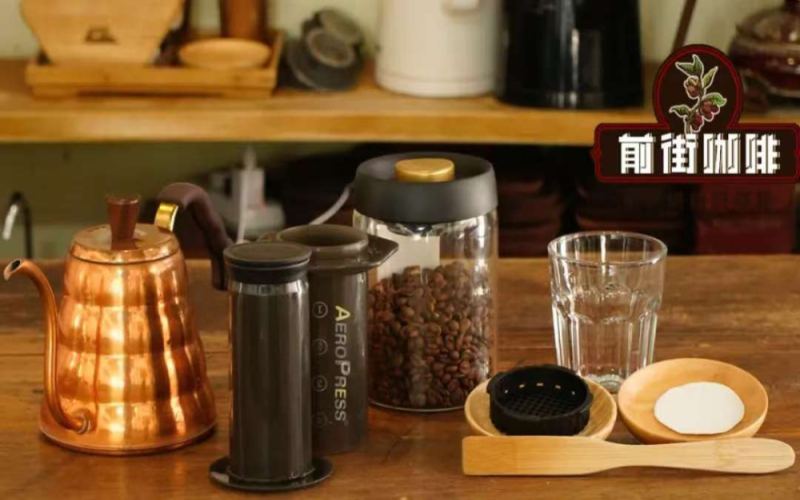
Coffee Brewing Equipment | What is an AeroPress? Where did the AeroPress come from? How can coffee beginners brew coffee with an AeroPress?
"Boss, the funnel you use for pouring beans looks pretty unique—where'd you buy it?" "It's just something that came free with the AeroPress." Only then did I remember that in a corner of Front Street Coffee, there was a long-dust-covered AeroPress. Its syringe-like shape makes it hard to imagine that it's a brewing device. There's even a dedicated AeroPress brewing competition, which [more…]
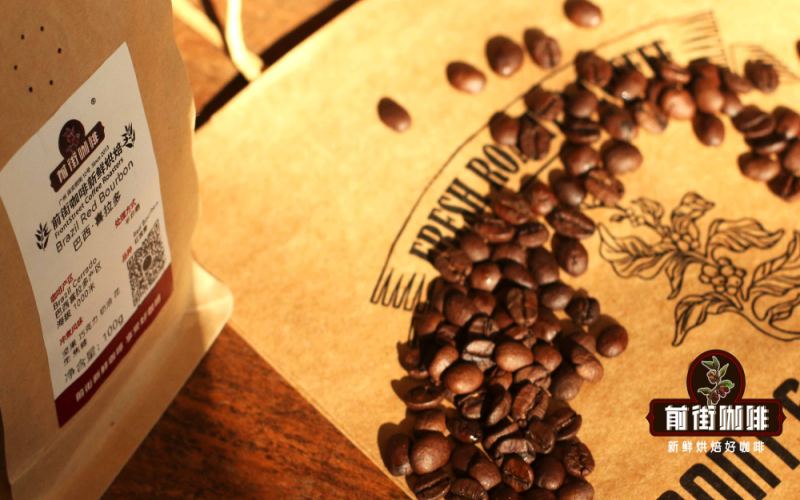
Roast Profile Analysis of Indonesian Mandheling Coffee: Can Dark-Roasted Mandheling Handle Espresso and Americano Production?
Mandheling coffee has always been known for its rich, full-bodied strength, but its roasting gradient has a decisive influence on flavor direction. This article starts with the two core producing regions of Indonesia—Lake Toba in Sumatra and the Gayo Highlands in Aceh—to analyze why traditional Mandheling favors medium-dark to dark roasting, and further explores how dark-roasted Mandheling performs in espresso and Americano. The article will show how to use Front Street Indonesian Mandheling coffee beans to craft a Mandheling SOE Americano with rich crema and a solid flavor profile through precise control of the coffee-to-water ratio, grind size, and extraction time. [more…]
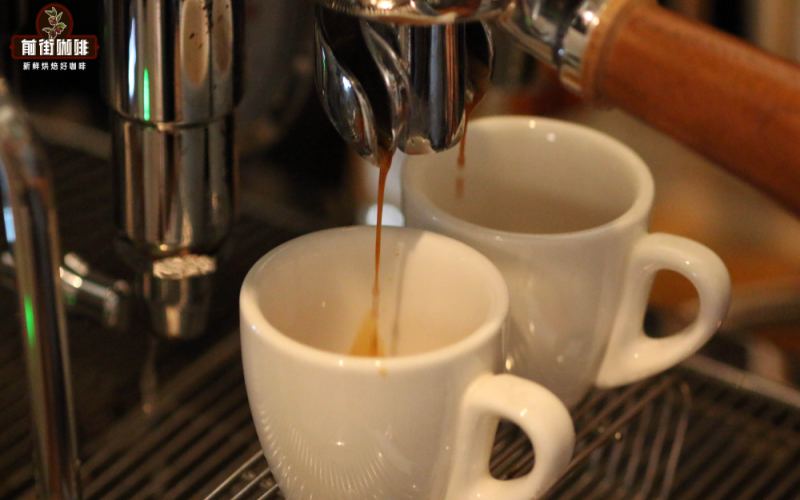
The Complete Guide to Espresso Extraction with a Semi-Automatic Coffee Machine: A Full Operating Manual from Bean Selection to the Final Cup
Want to make a rich, thick espresso with crema at home using a semi-automatic espresso machine? From the machine's extraction principles to choosing coffee beans, and then to every step of the operation, this article gives you a complete breakdown. We'll explain the extraction process at 94 degrees Celsius and 9-10 bar pressure, recommend Front Street Classic Blend, Black Cocoa Blend, and Strawberry Candy Espresso Blend as coffee beans suitable for home use, and walk through dosing, tamping, extraction, and how to make Americanos and lattes step by step, with a final reminder that parameters need fine-tuning based on the environment. [more…]
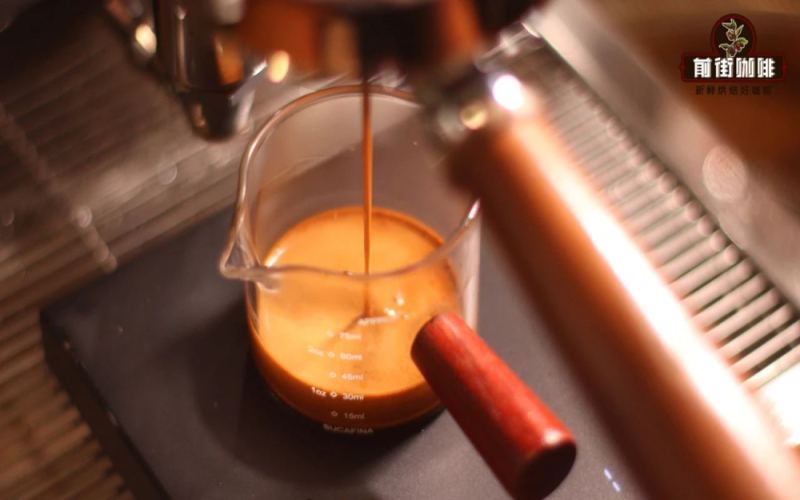
SOE Coffee Full Guide: Definition of Single-Origin Espresso, Differences from Blends, and a Hands-On Guide
Walking into a specialty coffee shop, you'll often hear baristas ask whether you'd like to try an SOE. What exactly does this term, which has become so common in recent years, actually mean? How is it different from the familiar blended coffee, and why is it slightly more expensive with richer flavor descriptions? This article will systematically sort out the definition and origins of SOE, compare its differences from blended beans in terms of sourcing logic and flavor direction, and share Front Street Coffee's various SOE bean lineup along with the complete preparation parameters for a Brazilian SOE Dirty, helping you go from understanding to hands-on, easily sipping and comprehending this cup of single-origin espresso. [more…]
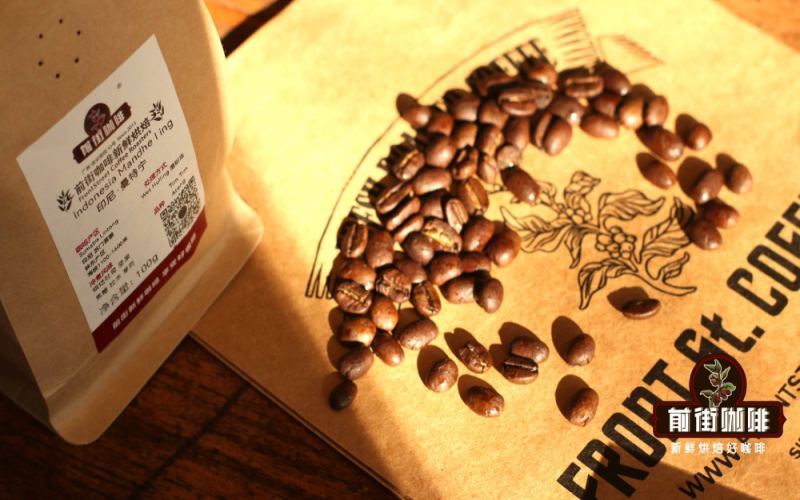
Sumatra Mandheling Espresso Flavor Analysis: A Complete Guide from Lintong SOE to PWN Golden Mandheling
Mandheling coffee is an iconic single-origin coffee from the Indonesian island of Sumatra, renowned for its full-bodied, robust mouthfeel and low acidity. This article focuses on the application of Mandheling in espresso, first introducing the flavor profile and extraction parameters of Front Street Coffee Lintong Mandheling as an entry-level SOE, then breaking down in detail the operational process for making Mandheling SOE with a home espresso machine, including key steps such as dose, grinding, distribution, tamping, and extraction time control. It then extends to the blending ratios for Americano and latte, and delves into the grade standards, screening process, and flavor layers under medium-dark roasting of Front Street Coffee PWN Golden Mandheling, helping coffee enthusiasts gain a comprehensive understanding of Mandheling's full range from everyday staple to premium single-origin offering. [more…]

What Is the Difference Between a Latte and Black Coffee? A Guide to Making an Espresso Latte and Choosing Coffee Beans and Milk
What exactly is the difference between a latte and black coffee? A good latte depends on a stable espresso shot and properly steamed milk. Drawing on Front Street Coffee's production experience, this article traces the historical origins of the latte, outlines key considerations in choosing coffee beans and milk, and breaks down in detail the steps for making hot and iced lattes. Whether you are a beginner just getting into coffee or an enthusiast looking to improve the quality of your home brews, you will find practical guidance here. The article also introduces the flavor characteristics and suitable applications of three beans—Front Street Classic Blend, Commercial Blend, and Dark Cocoa Blend—to help you make a fragrant, silky latte at home. [more…]
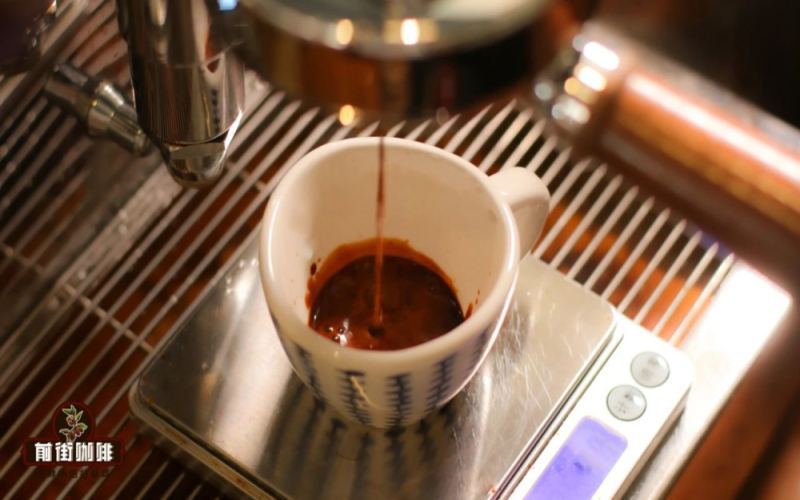
A Complete Guide to Espresso Machine Operation: Steps and Extraction Techniques for Semi-Automatic Coffee Machines
Espresso is renowned worldwide for its rich and full-bodied taste, but making it at home often falls short of café standards, with problems usually stemming from equipment operation and parameter control. This article will start with the extraction principles of espresso machines, gradually breaking down the usage process of semi-automatic espresso machines, including key parameters such as dose, grind size, pressure, and water temperature, and provide ideas for extraction adjustment. At the same time, Front Street Coffee recommends a variety of espresso blend beans for different taste preferences, helping enthusiasts produce consistent espresso at home, and extending to the methods for making Americano and latte. [more…]
Can Geisha and single-origin beans be used for espresso? The meaning of SOE and a practical guide to extracting Mandheling SOE
Are single-origin coffee beans suitable for making espresso? What exactly does SOE mean? This article uses Mandheling as an example to systematically answer whether single-origin beans such as Geisha can be used for espresso. Mandheling comes from Sumatra, Indonesia, and is a representative of Indonesian specialty coffee, with low acidity, a full body, and rich aroma; after dark roasting, it has a long-lasting bitter note with elegant sweetness. The article focuses on sharing the complete extraction parameters and operating steps for Front Street Coffee Lintong Mandheling SOE, including 20g dose, 40g yield, 1:2 ratio, 26–32 seconds, etc., and introduces the higher-grade Front Street Coffee PWN Golden Mandheling, from green bean screening to flavor performance, helping coffee lovers fully master the key points of making espresso with single-origin beans. [more…]
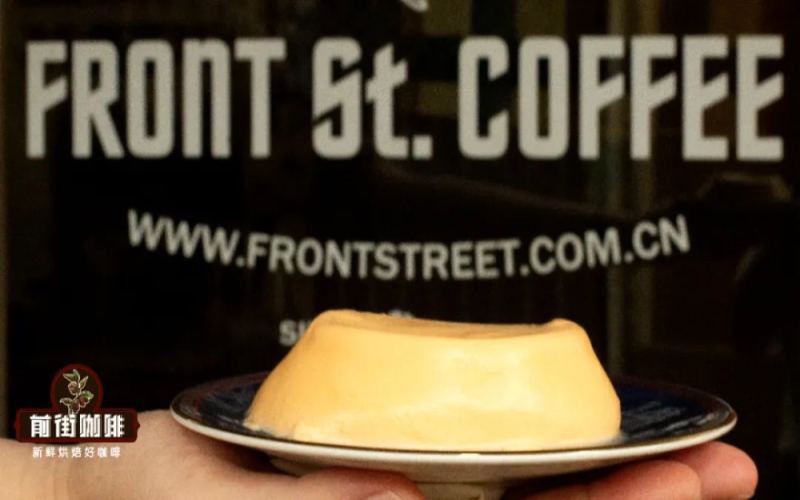
Using a coffee machine steam wand to make egg pudding? A step-by-step guide to two coffee-flavored recipes
You might not have thought of it, but a coffee machine can do more than brew coffee—it can also whip up an egg dessert on the side. In fact, back in the 1950s in Colombia, people were already using the steam wand to make an egg dish called Huevos Al Vapor and turning it into a signature item in their shops. Now Front Street Coffee is also trying to recreate this steamed egg pudding with a home espresso machine—all you need are eggs, milk, butter, and sugar, and it's done in a few steps. This article will break down the steps in detail, the ingredient ratios, and two ways to present it with coffee flavors, while also reminding you about cleaning the steam wand and milk pitcher, to help you successfully make this impromptu dessert with caramel-coffee notes and low sweetness. [more…]
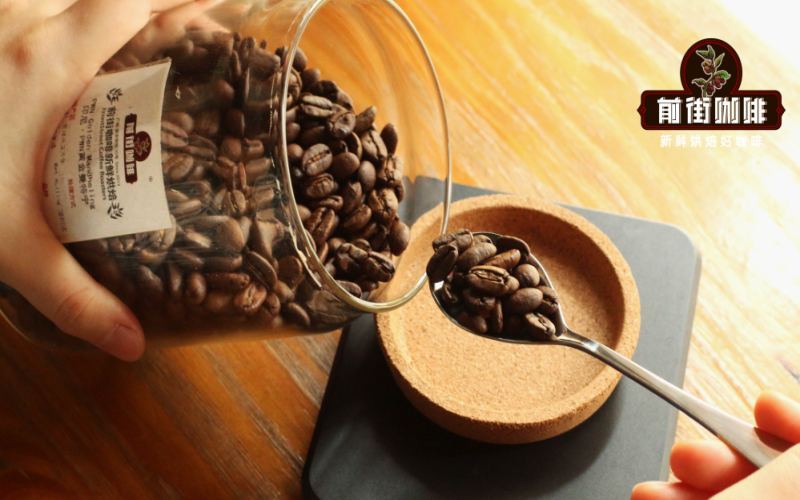
The Complete Guide to Home Coffee Brewing: A Detailed Explanation of Espresso, Pour-Over, Siphon, Moka Pot, and Other Common Methods
Want to easily make a good cup of coffee at home, but don't know which brewing device to start with? Front Street Coffee has recently welcomed quite a few new customers who are no longer satisfied with simply drinking coffee, but instead want to master different extraction methods. This article systematically sorts out commonly used home coffee brewing methods, covering espresso, pour-over single-origin, drip bags, siphon, moka pot, cold drip, AeroPress, French press, and the Clever Cup, along with equipment selection, operating points, and flavor characteristics. It also introduces the specific flavor performance of several of Front Street's espresso blends, helping coffee lovers, on the basis of understanding the principles, find a brewing solution that suits their own taste and pace. [more…]
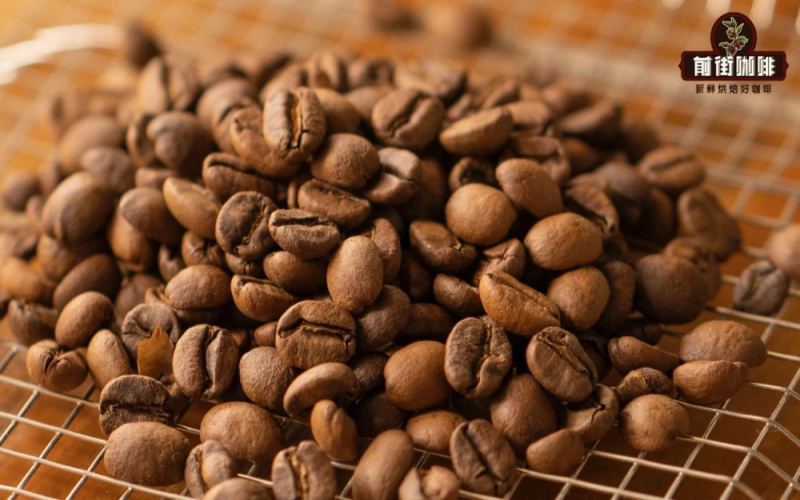
Beginner's Guide to Home Espresso Machines: Setting the Brew Ratio, Extraction Steps, and the Advantages of Espresso Blends for Lattes
For beginners who are just getting into coffee making and want to craft a delicious latte at home, choosing an espresso blend bean is often more foolproof than going with a single-origin bean. Blends combine flavors from multiple regions, and with a medium-dark roast they produce rich crema, offer high tolerance for error, and come at a friendly price—making them especially suited for milk-based coffee. This article uses Front Street Coffee's classic blend as an example to break down the espresso extraction process on a home coffee machine in detail: from the 1:2 coffee-to-liquid ratio of extracting 40 grams of liquid from 20 grams of grounds, to the 26–32 second time control, and then to the specific methods for distributing the grounds, tamping, and adjusting the grind size. It also explains the origins of espresso blends, helping beginners understand why both cafés and homes favor blend beans. [more…]